At MoneyPlato.com, I love diving into the lives of entrepreneurs and other successful public persons. I just think that there’s a lot to learn and often their stories are plainly very engaging!
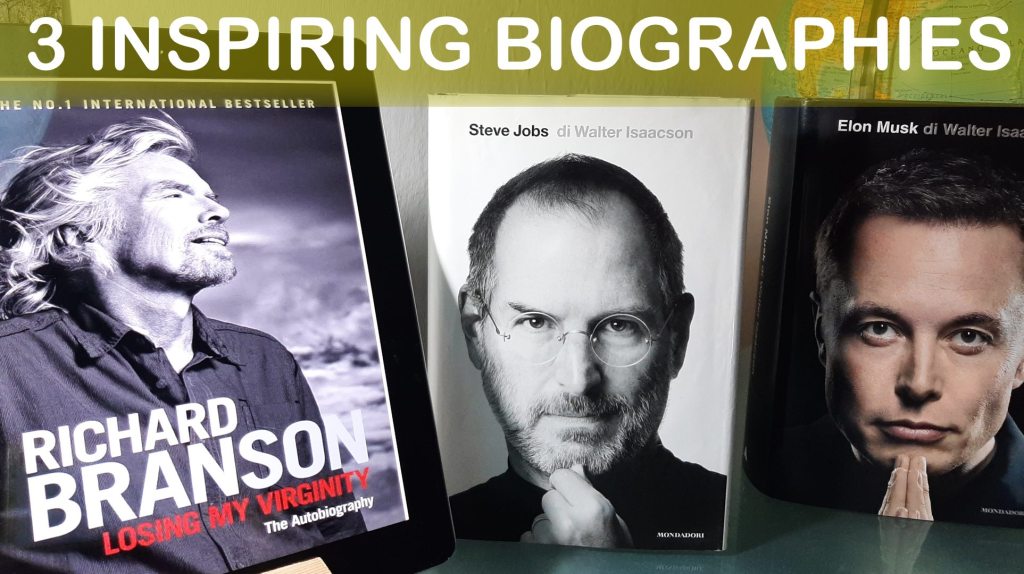
Here I want to share with you the biographies about three billionaires, whose stories aren’t just about wealth but about building legacies that shape our world: Richard Branson, Steve Jobs, and Elon Musk. Their biographies—written by authors like Walter Isaacson and Branson himself—are more than just books; they’re masterclasses in creativity, leadership, and relentless innovation.
Reading these stories isn’t about idolizing billionaires; it’s about uncovering lessons we can apply to our own lives, whether you’re launching a startup, chasing a dream, or just looking to think bigger. From Branson’s human touch to Jobs’ obsession with beauty and Musk’s audacious goals, these books reveal the mindsets behind their success.
Ready to get inspired? Let’s explore what makes these stories worth reading—and how they might spark your next big idea.
Check them on Amazon:
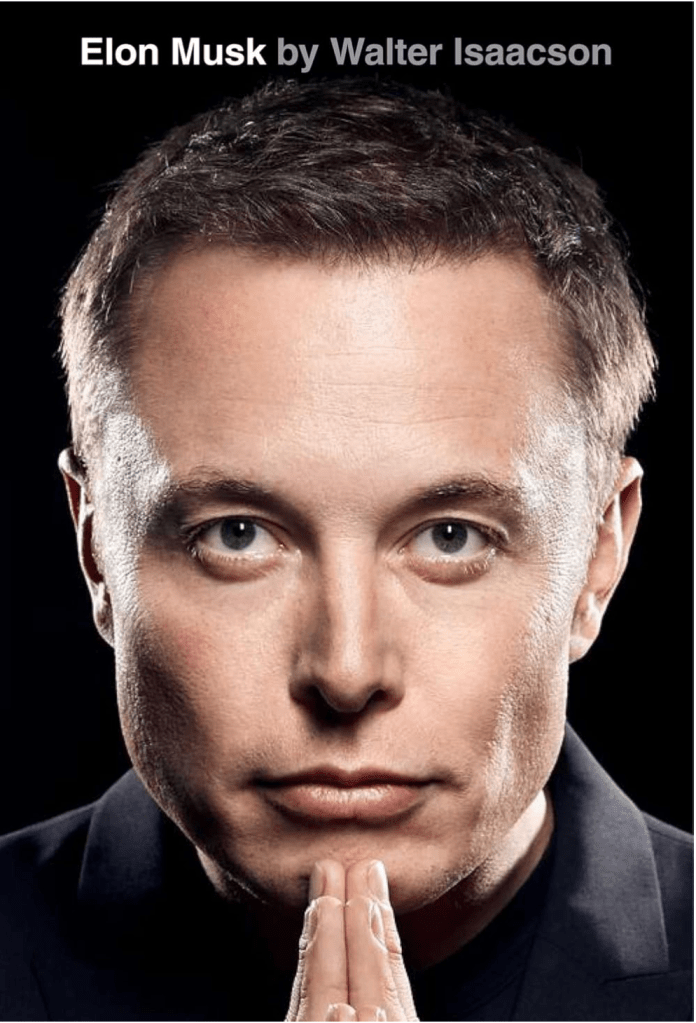
Some of the links on this site are affiliate links. As an Amazon Associate, I earn from qualifying purchases — at no additional cost to you. Thank you for supporting my blog!
Richard Branson: The Human Entrepreneur
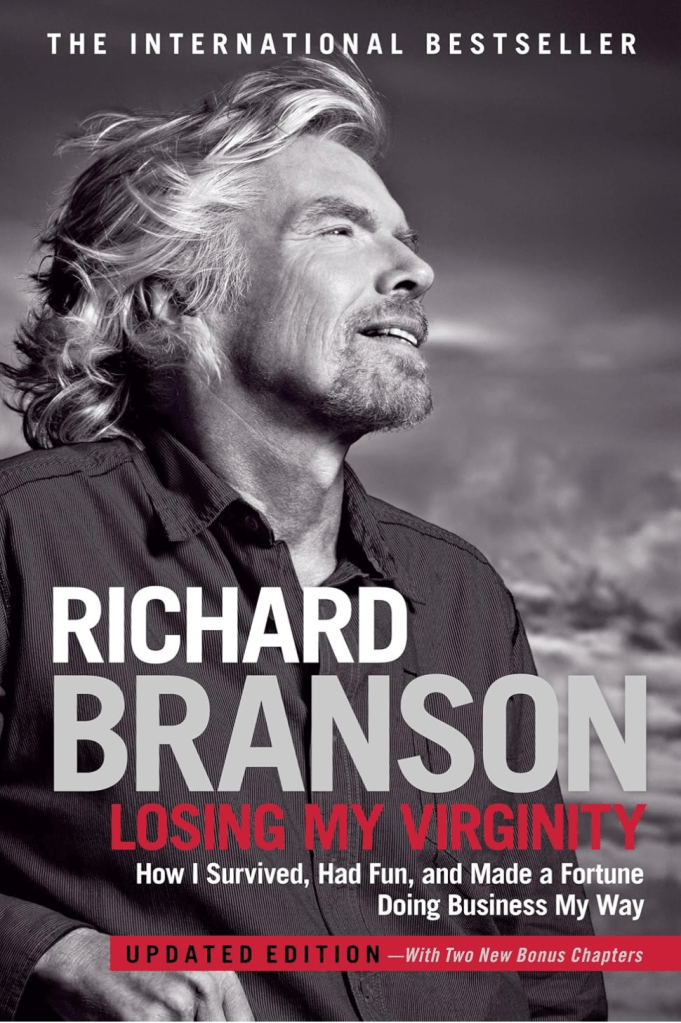
If you haven’t heard of him, you’ve probably heard of Virgin — his empire that started as a tiny record shop and grew into airlines, space travel, and even health clubs.
But what makes Branson stand out isn’t just his net worth, which, by the way, is less insane than some of the tech moguls we hear about today. It’s his story. He’s the kind of entrepreneur who feels… human.
Born in England in the 1950s, he came of age in the 70s — a time when the world was electric. Pop and rock music were hitting their peak, culture was shifting, and rebellion was in the air. Branson wasn’t just a bystander; he was part of it. As a teenager, he started a magazine called Student, interviewing rock stars and cultural icons.
That hustle led him to start Virgin — a small mail-order record business that turned into a shop, then a chain, and eventually a recording studio and music label. And here’s where it gets interesting: Virgin’s first big success was Mike Oldfield’s ‘Tubular Bells.’ If you don’t know it, it’s one of the most iconic albums of the 70s, and it put Virgin on the map.
From there, Branson didn’t stop. He signed massive names like the Sex Pistols and Culture Club, turning Virgin Records into a powerhouse. Later, he expanded into airlines with Virgin Atlantic, challenging giants like British Airways. He even launched Virgin Galactic, aiming to make space travel accessible.
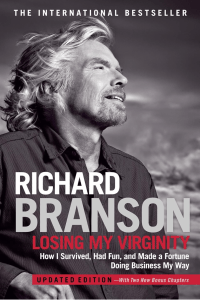
But what’s really inspiring about Branson isn’t just the wins — it’s how he treats people. He’s a team guy. He listens, he laughs, he’s approachable. Watch any interview with him, and you’ll see it — he’s not some cold, calculating mogul. He’s the kind of leader who makes you feel like you could do it too. And that’s rare.
Steve Jobs: The Genius of Simplicity and Form
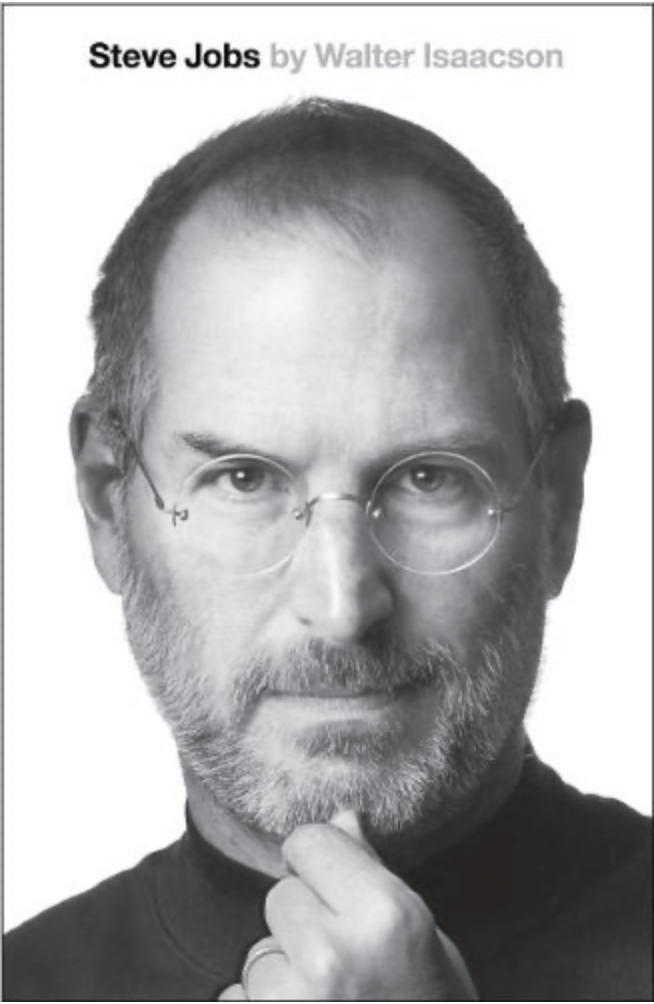
Steve Jobs is no longer with us, but his impact? It’s everywhere. Apple, one of the biggest companies in the world, is his legacy. And honestly, we’re lucky to have Walter Isaacson’s biography on him — it’s one of the most honest, detailed looks at a genius who changed how we live.
Jobs wasn’t just a tech guy; he was a visionary. He didn’t invent the computer or the smartphone, but he made them ours — tools we can’t imagine life without. And if you’ve ever watched one of his speeches, like the Stanford commencement address, you know how he could inspire.
But was he nice? Not exactly. Jobs had a reputation for being very demanding, asking for perfection from everyone around him. But here’s the flip side: he had a vision, and he knew how to steer toward it. He didn’t just build products; he shaped entire industries. Think about it: the iPod changed how we listen to music. The iPhone redefined what a phone could be. Even Pixar, which he helped save, revolutionized animation.
Jobs obsessed over beauty and simplicity. He believed products should be stunning — not just on the outside, but inside too, where no one would even see. He hated complexity. He wanted tech to feel intuitive, almost human. That’s why Apple products feel like they just work. And that obsession? It didn’t just change tech—it changed us. Our lifestyles, our expectations, even how we connect with each other.
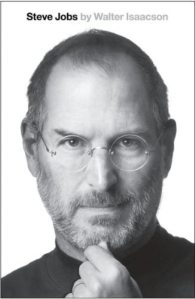
Love him or hate him, Jobs’ genius was in his ability to see the future and drag the rest of us into it. His story isn’t just about success; it’s about what it means to create something that lasts.
Elon Musk: The Relentless Visionary
Finally, let’s talk about Elon Musk. He’s not just the richest man alive — he’s someone who’s actively shaping the future of our species. And no, that’s not hyperbole.
Right now, we’re living in a strange moment where Musk isn’t just a builder; he’s a force in politics, culture, even how we think about the world. But it wasn’t always like this.
Walter Isaacson’s biography — where he shadowed Musk for two years — shows how he got here. Born in South Africa, Musk was coding by the time he was a kid, teaching himself to think like an engineer. He moved to the U.S., built software companies like Zip2 and PayPal, and made his first millions.
But what sets Musk apart isn’t the money: he doesn’t care about wealth for its own sake. Everything he does is a step toward something bigger: making humans a multi-planetary species. Mars isn’t just a dream for him; it’s a necessity. SpaceX? It’s not about rockets — it’s about survival. Tesla? It’s not just cars — it’s about accelerating the shift to sustainable energy. Even Neuralink and The Boring Company tie into his obsession with solving humanity’s biggest problems.
What’s wild is how he gets it done. Musk doesn’t just break rules — he rewrites them. Need a better rocket? Question every assumption, redesign it from scratch. Can’t afford parts? Build them yourself. He’s relentless — working harder, longer, and with more focus than almost anyone. And yeah, he’s polarizing. Not everyone gets him. But his story, especially in Isaacson’s book, shows what it looks like to think so big it’s almost incomprehensible.
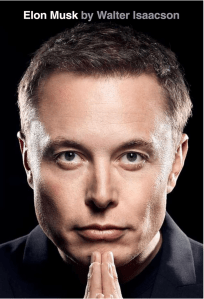
For Musk, the impossible is just a challenge. And if you’re looking for inspiration, especially as a young person, that’s the takeaway: question everything, rebuild until it works, and outwork everyone else. It’s not glamorous — it’s brutal. But it’s how you change the world.
The value of reading these biographies: inspiration and practical lessons
I really encourage friends and you, dear reader, to pick up some biographies of the people you mostly admire (or hate!). There’s always something to learn from books.
I examined here those three billionaires: they shared three life stories, three ways to see what’s possible. Branson’s human touch, Jobs’ obsession with beauty, Musk’s relentless drive — they’re all proof that success isn’t just about money. It’s about vision, grit, and finding your own path.
I’ve linked their biographies. Pick one up, and you’ll see what I mean. If you found this inspiring, let me know in the comments.
Consider buying me a coffee without buying me a coffee
I’m glad if you found my post helpful or interesting.
Would you like to manifest your gratitude? I appreciate it a lot, thank you by heart ❤ !
Here’s a way I found that’s a bit unconventional and does not involve the transfer of money from your part to mine. Listen, it’s easy:
Instead of the traditional “buy me a coffee” thing, why don’t you buy yourself a website?
Yes, because I promote a great web hosting company (a hosting is literally where your website has its home online): WordPress.com.
If you make a purchase through my link, I get a commission. It’s an affiliate marketing mechanism. So, a sort of modern version of a coffee.
Here’s how to get WordPress.com:
–> More infos on my dedicated page here.
Nowadays, having a website is almost a necessity. It’s your own space on the Internet where nobody can ban you, it’s your little own reign. Make it what you want: a blog to share your passion, an e-commerce site for your business, or the next Big Thing. A website is a business, and if you are serious about it, it can make you rich.
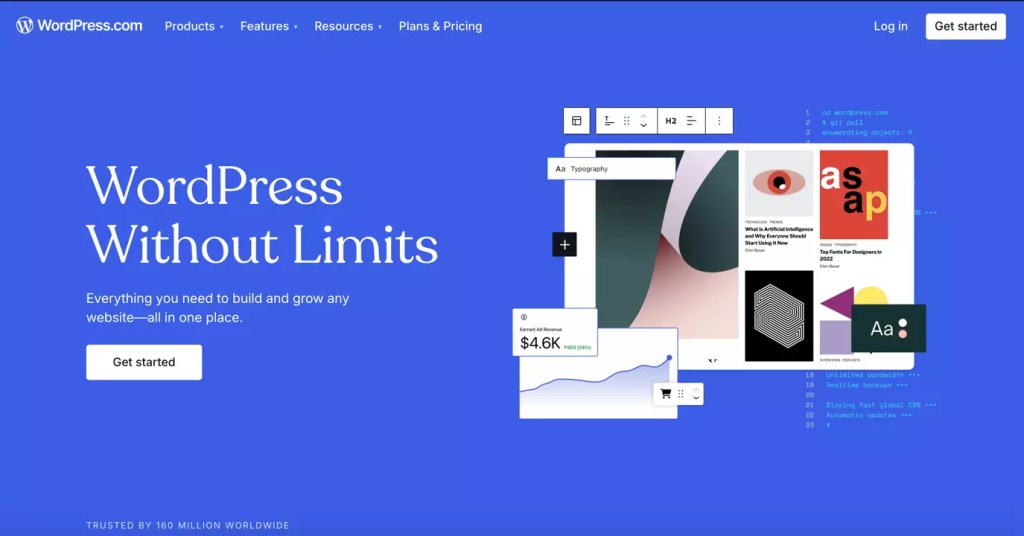
And creating a website today is straightforward, it doesn’t require coding. You can make beautiful things just by arranging pre-formatted parts of the layout. It’s called block editor, a great feature of the wordpress architecture. I even made a YouTube video showcasing the exceptional features of WordPress.com hosting! Watch it here.
Then, fill your website with your unique content. Be useful to others, like my post has been for you. The secret of success is so simple: be helpful 🙂
MoneyPlato.com (this website of mine) is built on WordPress.com, and I keep choosing WordPress.com for other projects and other clients’ projects to build.
Thanks again, and I hope you found this post helpful!
Feel free to share your thoughts in the comments or ask any questions you may have 😉






 Money Plato
Leave a comment